
Herbs
At Valentine and Dale, we celebrate the rich history of herbs, utilizing their diverse benefits to enhance our quality cosmetic products. Designed for everyone to enjoy, our commitment to sourcing the finest herbal ingredients ensures that we receive exceptional products that not only nourish your skin but also elevate your beauty routine. Experience the power of nature with our carefully crafted cosmetics and embrace the timeless essence of herbs for a radiant healthy glow.
Knowledge & Fun Facts
Welcome to our Product Information page! Here, you'll find additional insights into the products we use but please note that this is not a comprehensive description or medical advice. If you have any specific health-related questions or concerns, we recommend a medical professional. Thank you for understanding!
Mugwort

- Fun Fact: Historically used by Roman soldiers during travel for protection. It's associated with the lunar cycles & fertility. Also known as Naughty Man, Old Man, Felon Weed & Old Uncle Henry.
- Medicinal Properties: Boots energy - calms nerves - supports digestion - relieves pain & inching - muscle relief - enhances sleep - promotes vivid dreams - anti inflammatory properties
- Magical Properties: Protection & Purification
Red Roses

- Fun Fact: Rose fossils dating back 35 million years highlight their enduring significance. First cultivated around 500 BC in Asia, wild roses were used in Iraq as early as 2000 BC for rosewater and fragrances. This history showcases their vital role in culture, emphasizing their beauty and the traditions that still inspire us today.
- Medicinal Properties: Anti-inflammatory - Aphrodisiac - Anti-depressant - Astringent, Antispasmodic - Cleansing - Anti- bacterial - Antiseptic properties
- Magical Properties: Love - Protection - Divine Connection
Lilies

- Fun Fact: In Greek mythology, the lily was the flower of Hera, wife of Zeus, and was supposed to have formed from the milk of her breast.
- Medicinal Properties: Heart health - Treatment of burns - Respiratory issues - Skin conditions
- Magical Properties: Protection - Purity - Spiritual growth
Peppercorn

- Fun Fact: Pepper has a rich history originating from the Malabar Coast of India, where it was widely traded. In ancient times, it was a luxury spice and used as currency for and dowries, highlighting its significant cultural value.
- Medicinal Properties: Antioxidant -Anti-inflammatory - Digestive benefits.
- Magical Properties: Courage - Strength - Purification - Protection
Cinnamon

- Fun Fact: Cinnamon, originating from Sri Lanka, has been valued for over 4,000 years. Ancient Egyptians used it in embalming rituals around 2000 BCE and Chinese texts from 2800 BCE recognized its medicinal benefits. This spice boasts a rich history across various cultures.
- Medicinal Properties: Antioxidant - Anti-inflammatory - Potential Blood Sugar-Regulating Effects - Heart Health - Digestive Aid - Potential Cancer Prevention
- Magical Properties: Attracting Wealth and Luck - Protection - Blocking Negative Energy - Healing - Intuition - Psychic Abilities - 3rd Eye Activation - Manifesting Desires
Hibiscus

- Fun Fact: Hibiscus is associated with beauty, love, and fertility in many traditions. Cherished for its beauty and versatility, the hibiscus is popular choice for gardens, floral arrangements, and herbal remedies.
- Medicinal Properties: Antioxidant - Weight Management - Menstrual Health
- Magical Properties: Fertility - Psychic Abilities - Love - Prophetic Dreaming
Juniper

- Fun Fact: Juniper berries aren’t truly berries at all, but rather the fleshy cones of the juniper tree. Romans often used Juniper as a cheaper alternative to the then-expensive black pepper.
- Medicinal Properties: Antimicrobial - Urinary Tract Support - Digestive
- Magical Properties: Cleansing Spaces - Protection - Purification - Attraction of Positive Energy
Cypress

- Fun Fact: The cypress emerged as a symbol of mourning, sadness, and loss in classical mythology. Apollo transforms Cyparissus into a cypress tree, and the sap that typically drips down the tree's trunk represents Cyparissus' tears after he had killed a stag Apollo gave him.
- Medicinal Properties: Anti- inflammatory - Antibacterial - Antiseptic Effects - Respiratory Health - Skin Conditions - Wound Healing
- Magical Properties: Eternal Life - Immortality - Transformation - Renewal - Grounding - Emotional Healing
Lavender

- Fun Fact: The first popular use of lavender as a formula was as an ingredient in deodorant and popularized during the late 1800’s and early 1900’s. Lavender is the second most popular herb in the world (behind basil). Lavender oil is the only essential oil that still contains its own antioxidants, and over time it becomes more potent. Lavender is part of the mint family.
- Medicinal Properties: Reduces Anxiety & Depression - Improves Sleep - Wound Healing Properties - Pain Relief
- Magical Properties: Dreaming - Psychic Enhancement - Protection - Banishing - Cleansing - Spirit Communication
Rosemary

- Fun Fact: The myth that rosemary wards off vampires began in an 11th century monastery, a place where the herb was used as a natural insect repellent. In the Middle Ages, rosemary was believed to stimulate the brain as well as warding off evil spirits. In some countries, it’s still believed that a sprig of rosemary on the doorstep protects from evil. Rosemary has over 3 times more iron than spinach; it also has very high levels of antioxidants and vitamin A.
- Medicinal Properties: Memory Enhancement - Anti-inflammatory - Immune Support - Hair Growth - Stress Reduction - Cognitive Enhancement
- Magical Properties: Remembrance - Friendship - Banishing - Exorcism - Protection - Healing
Mint

- Fun Fact: Mint has been used as a symbolism of hospitality. There are over 600 types of mint plants, which include pineapple mint, apple mint, orange mint, water mint and horse mint. However, when talking about mint, most are referring to two specific types: peppermint and spearmint.
- Medicinal Properties: Digestion - Respiratory Health - Cognitive Function - Weight Management - Pain Relief
- Magical Properties: Emotional Balance - Clarity - Vitality - Purification - Prosperity - Protection
Chamomile

- Fun Fact: It can help reduce redness and irritation in sensitive skin. Chamomile has been used for centuries and is one of the oldest known medicinal herbs. Chamomile tea is often used as a natural remedy for menstrual cramps and PMS symptoms. Bees are attracted to chamomile flowers, and it is often planted in gardens to support pollinators.
- Medicinal Properties: Digestion - Sleep - Anxiety - Skin Health - Reduces Stress & Anxiety
- Magical Properties: Prosperity - Masculine Energy - Growth - Confidence chamomile - Good Luck - Money - Dreams - Love - Warding off Negativity.
Dandelion

- Fun Fact: The word “dandelion” comes from the French “dent-de-lion”, which means “tooth of the lion.” This is because of the jagged shape of its leaves. In the 19th century, it was prescribed for people suffering from respiratory illnesses such as whooping cough and bronchitis.
- Medicinal Properties: Liver & Kidney Support - Skin Health - Digestive Health - Anti-Inflammatory - Antioxidant
- Magical Properties: Transformation - Divination - Spirit Communication - Hope - Renewal - Clarity
Ginger

- Fun Fact: Ginger was one of the first spices to be exported from Asia, making its way to Europe during the spice trade. The ancient Chinese used ginger as a tonic to treat ailments like nausea, arthritis, and colds. It's also a good source of vitamin C, magnesium, and potassium, essential for overall health.
- Medicinal Properties: Anti-inflammatory - Anti-nausea - Digestive Benefits - Immune Support
- Magical Properties: Strength - Energy - Abundance - Prosperity - Spiritual Protection - Speeding up Results - Love - Passion
Lotus

- Fun Fact: The lotus is often referred to as the “flower of the moon” due to its connection with nighttime blooming in some species. In Hinduism, the lotus is connected to many gods and is regarded as a sacred plant. In Buddhism, it represents the purity of mind, body, and speech. The lotus’s growth from the mud is seen as a metaphor for new life emerging from hardship.
- Medicinal Properties: Improves Sexual Health - Reduces Stress - Reduces Depression - Lowers cholesterol - Protects Against Radiation - Antiseptic Properties
- Magical Properties: Beauty - Resilience - Purity - Enlightenment - Rebirth - Spiritual - Fertility Awakening -
Gomphrena Flower

- Fun Fact: Despite its delicate and almost whimsical appearance, the gomphrena plant is a titan of toughness. It flourishes in conditions that would cause many other ornamental plants to wither and fail, such as intense, direct sunlight and periods of drought. The most powerful and enduring message of the gomphrena flower is that of immortality and everlasting love.
- Medicinal Properties: Gall Stones - Nose Bleed - Cough
- Magical Properties: Memory - Healing - Perseverance
Magnolia

- Fun Fact: Fossil records suggest that this flower has existed since the Cretaceous period (145-66 million years ago), making the Magnolia the first flowering plant. Before bees existed, magnolias relied on beetles to pollinate.
- Medicinal Properties: Weight Management - Antioxidant - Anti Cancer Properties
- Magical Properties: Promotes a sense of calm and harmony - Beauty - Peace - Strengthening Relationships
Chinese Rose

- Fun Fact: The China rose was first domesticated in ancient China and named for its ability to bloom every month. The earliest records date back to the Tang and Song dynasties. It was cultivated widely throughout the Ming and Qing eras and even inspired volumes of literature and poetry.
- Medicinal Properties: Regulate qi, or life energy, soothe the nervous system, calm digestive issues, and ease menstrual discomfort.
- Magical Properties: Love - Beauty - Passion
Basil

- Fun Fact: In ancient Egypt, basil was likely used as an embalming and preserving herb as it has been found in tombs and mummies. Perhaps because of its embalming applications, basil was also a symbol of mourning in Greece where it was known as basilikon phuton, meaning magnificent, royal, or kingly herb.
- Medicinal Properties: Blood Sugar Regulation - Anti-inflammatory - Antimicrobial - Stress Relief - Heart Health
- Magical Properties: Luck - Prosperity - Abundance - Protection - Divination - Success - Peace - Courage - Love
Fennel

- Fun Fact: The earliest records of fennel date back to ancient civilizations, such as the Egyptians, Greeks, and Romans. The Egyptians regarded fennel as a symbol of longevity and incorporated it into their worship of gods and goddesses. It was also used by the Greeks as a diuretic and to improve digestion, and it was believed to have magical properties that could ward off evil spirits. Similarly, the Romans used fennel for various health benefits, including treating snake bites and reducing inflammation.
Carnation

- Fun Fact: Carnations are among the most popular commercial cut flowers, being used in floral arrangements, corsages, and boutonnieres. In 1907 Anna Jarvis of Philadelphia selected the pink carnation as the symbol for Mother's Day.
- Medicinal Properties: Boosts Immune System - Stress Reliever - Supports Skin Health
- Magical Properties: Energy Cleansing - Healing - Protection
Pomelo Flower

- Fun Fact: Pomelo flowers are hermaphroditic, meaning each flower contains both male and female reproductive organs. This allows them to self-pollinate when conditions are unfavorable or rely on bees and butterflies for cross-pollination, increasing genetic diversity. The flowers bloom 2–3 times a year, marking seasonal transitions and signaling an upcoming harvest of heavy-laden grapefruit trees.
- Medicinal Properties: Cough - Fever - Inflammation
- Magical Properties: Good fortune - Health - Happiness
Cassia Twig
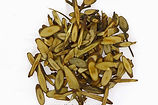
- Fun Fact: Cassia is considered one of the 50 fundamental herbs in traditional Chinese medicine. It’s an evergreen tree native to China and Burma. Cassia is commonly known as Chinese cinnamon, and its scientific name is Cinnamomum cassia. Cassia essential oil, or cassia bark oil, is derived by steam distillation of the cassia bark, leaves and twigs.
- Medicinal Properties: Antibacterial - Anti-allergic Properties - Inflammation Menstrual Disorders - Digestive Issues - Promote Detoxification
- Magical Properties: Emotional Transformation - Prosperity - Purity
Dragon's Blood Resin

- Fun Fact: The origins of Dragon’s Blood are as diverse as its uses. In fact, is derived from the sap of various trees, most notably the Dracaena and Daemonorops species. Adding the resin’s name, evocative of mythical creatures and legendary tales, stems from its vibrant color, reminiscent of a dragon’s fiery breath. This vivid imagery has captivated the human imagination for centuries. It leads to its widespread use and the development of countless legends surrounding its mystical properties.
- Medicinal Properties: Wound Healing - Digestive Health - Antibacterial Abilities - Anti-Aging Skin Care
- Magical Properties: Strength - Courage - Protection - Spiritual Connection - Purification

Wormwood

- Fun Fact: Wormwood, named after the Greek goddess, Artemis; the goddess of hunting and childbirth, belongs to the family of Compositae, a group consisting of 180 species. The legendary Chinese emperor Shen-Nung, (also known as “The Divine Healer”) single-handedly tasted every plant in China to see if the taste was good and to find out what was dangerous. He is attributed with discovering that sweet wormwood cures Malaria.
- Medicinal Properties: Fever Reduction - Pain Relief
- Magical Properties: Protection - Banishing - Psychic Abilities -
Myrrh Resisn

- Fun Fact: Myrrh was among the 65 herbs that Samuel Thomson used regularly in his herbal practice. Samuel Thomson was a self-taught American herbalist, who brought an herbal revolution to the United States that angered doctors of his day. Time after time he proved that herbs could be more effective than medicines such as mercury that were being used in the late 1700’s. He was particularly fond of myrrh’s antiseptic and cleansing properties.
- Medicinal Properties: Kills Harmful Bacteria - May Support Oral Health - Pain and Swelling - Kills Some Parasites
- Magical Properties: Healing - Protection - Purification
Frankincense Resin

- Fun Fact: Frankincense, an aromatic resin from the Boswellia tree and has been treasured for thousands of years for its use in incense, perfumes, and religious rituals.
- Medicinal Properties: Improve Arthritis - Digestion - Reduces Asthma
- Magical Properties: Relaxation - Purification - Protection - Spiritual Connection - Attraction